


The smart home industry has experienced explosive growth in recent years, driven by consumer demand for greater convenience, security, and energy efficiency. As more and more devices become interconnected, the role of antennas in ensuring reliable communication between these devices has become more critical than ever. Smart homes rely on seamless connectivity between a wide range of devices, including smart thermostats, lights, security cameras, locks, and more.
While many smart home devices come with standard off-the-shelf antennas, the benefits of custom antennas tailored specifically for smart home applications cannot be overstated. In this article, we will explore the key advantages of custom antennas for smart homes, covering factors like performance, integration, reliability, and future-proofing.
Understanding the Role of Antennas in Smart Homes
In a smart home, devices communicate with each other and with central hubs (such as smartphones, voice assistants, or cloud-based platforms) via wireless signals. These signals are transmitted and received by antennas, which are critical for ensuring that data flows smoothly across the network.
Common wireless communication protocols used in smart homes include Wi-Fi, Zigbee, Bluetooth, Z-Wave, and Thread. The antenna’s role is to convert electrical signals into radio waves for transmission and vice versa, ensuring that devices can maintain a constant connection and respond to user commands. Without reliable antennas, smart devices can experience issues such as poor range, interference, or dropped connections, which can significantly impact the user experience.
However, as the number and variety of smart home devices increase, it’s clear that a one-size-fits-all antenna solution is rarely optimal. Customized antennas designed specifically for the unique needs of each device can help improve performance and ensure better overall system reliability.
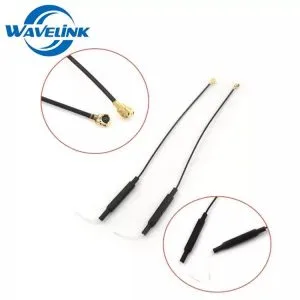
Benefits of Custom Antennas for Smart Homes
Optimized Signal Range and Coverage
One of the most significant benefits of custom antennas is the ability to optimize signal range and coverage. In smart homes, wireless communication often takes place in environments with a variety of obstacles, including walls, floors, and furniture. These obstacles can weaken wireless signals and lead to poor performance or even signal dropouts.
Custom antennas can be designed with specific features that enhance signal strength and directivity to overcome these challenges. For example, an antenna’s radiation pattern can be adjusted to focus the signal in certain directions, increasing the range and reliability of the signal across the entire home. Whether you’re using Wi-Fi for streaming, Zigbee for smart lighting, or Bluetooth for controlling smart devices, a custom antenna can help ensure that the signal reaches every corner of your home without interference.
Improved Energy Efficiency and Battery Life
For battery-powered smart devices, energy efficiency is a key concern. Many smart home devices, such as door locks, sensors, and wearables, rely on batteries for power. A poorly designed antenna can lead to higher power consumption, draining the battery much faster than necessary.
By optimizing the antenna’s design for low power consumption, manufacturers can extend the battery life of smart home devices, making them more convenient and cost-effective for consumers. For example, an antenna that minimizes power loss during transmission can help devices operate for longer periods on a single charge, reducing the frequency with which batteries need to be replaced or recharged.
Enhanced Reliability in Dense Wireless Environments
Smart homes often contain multiple devices that rely on wireless communication, and as the number of devices increases, so does the potential for interference. Many smart home devices operate in the same frequency bands (e.g., the 2.4 GHz ISM band), which can lead to congestion, signal degradation, and poor device performance.
Custom antennas can be designed to mitigate these issues by reducing interference and ensuring a clear signal path. For instance, antennas can be tuned to minimize the impact of competing signals or designed to operate on different frequency bands (such as 5 GHz for Wi-Fi), which can reduce congestion and improve reliability. In this way, custom antennas ensure that each device operates at optimal performance even in crowded, interference-prone environments.
Seamless Integration with Device Design
One of the challenges of designing smart home devices is ensuring that all the components fit into compact, often aesthetically focused enclosures. Standard antennas, especially external ones, can be bulky and may not integrate well with the overall design of the device.
Custom antennas, on the other hand, can be tailored to fit the size, shape, and design of the device, ensuring a sleek and seamless appearance. Whether it’s a small sensor mounted on a wall, a smart speaker, or a Wi-Fi-enabled light bulb, the antenna can be customized to fit within the available space while still providing excellent performance. This is particularly important for modern smart home devices that prioritize both functionality and design aesthetics.
Increased Durability and Environmental Resistance
Smart home devices are often placed in various environments, including outdoor spaces (e.g., garden sensors, outdoor cameras) or areas prone to temperature fluctuations, such as attics, garages, or basements. These devices require antennas that are not only compact and efficient but also durable and capable of withstanding environmental challenges.
Custom antennas can be designed with specific materials and coatings to protect them from elements like rain, dust, or extreme temperatures. Additionally, custom designs can enhance the antenna’s robustness against physical stresses like vibrations or impacts, which may occur if the device is installed in an area prone to movement or handling.
Future-Proofing for New Wireless Standards
The smart home industry is evolving rapidly, with new wireless communication standards emerging regularly. For example, the adoption of Wi-Fi 6 (802.11ax), Zigbee 3.0, and the new Thread protocol are reshaping the way devices communicate in the home. Additionally, the upcoming rollout of 5G technology may further enhance the capabilities of smart devices in the near future.
Custom antennas offer the advantage of being future-proof, allowing manufacturers to design antennas that are compatible with upcoming standards and technologies. This means that smart home devices equipped with custom antennas can continue to operate effectively as new wireless protocols are introduced, ensuring long-term relevance and performance.
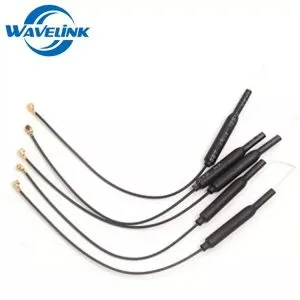
Case Studies: Successful Applications of Custom Antennas in Smart Homes
Several companies have already recognized the value of custom antenna solutions for smart homes, incorporating them into their products to deliver better performance and a more seamless user experience. Below are a few examples:
Smart Door Locks
A major manufacturer of smart locks faced issues with connectivity, particularly when users installed locks in homes with thick walls or remote areas of the property. By designing a custom antenna that was optimized for signal range and efficiency, the company was able to improve the performance of the smart lock, ensuring that it remained connected even in challenging environments.
Smart Lighting Systems
In smart lighting systems, communication between bulbs, switches, and hubs is essential for synchronized operation. A custom antenna with an optimized radiation pattern was designed to ensure stable connections between multiple bulbs even when placed in different parts of the house. The antenna design also reduced power consumption, extending the battery life of battery-powered smart bulbs.
Smart Thermostats
A leading smart thermostat manufacturer wanted to create a more energy-efficient device with a longer battery life. By designing a custom antenna specifically tuned for the 2.4 GHz Wi-Fi band, the company was able to significantly reduce power consumption during signal transmission, allowing the thermostat to last longer on a single charge while maintaining a strong and stable Wi-Fi connection.

Conclusion
As the smart home market continues to expand, the demand for reliable, high-performance devices grows. Custom antennas play a crucial role in enabling seamless communication between smart devices, ensuring that they perform optimally across different use cases and environments. By optimizing signal range, improving energy efficiency, reducing interference, and allowing for better integration with device design, custom antennas can help manufacturers create superior products that meet the evolving needs of consumers.
For smart home manufacturers looking to stand out in an increasingly competitive market, investing in custom antennas offers a clear advantage. With the ability to future-proof devices and enhance the user experience, custom antennas are a smart investment that can significantly improve the overall functionality and reliability of smart home systems.