


You rely on GSM WIFI antennas every day, whether you realize it or not. These antennas play a vital role in modern communication by enabling devices to connect to networks. GSM WIFI antennas support cellular mobile communication, making them essential for long-range connectivity. On the other hand, these antennas also power short-range, high-speed connections, which are perfect for homes, offices, and public spaces. Understanding the difference between GSM WIFI antennas and cellular antennas helps you choose the right one for your needs. As 5G technology evolves, these antennas continue to shape how you interact with the world.
Key Takeaways
- GSM antennas work well for long distances, great for mobile use.
- WiFi antennas are best for short distances and fast internet at home or work.
- Pick GSM for wide coverage or WiFi for quick, nearby connections.
- GSM works with 3G, 4G, and 5G networks for better use.
- To make WiFi better, put your router in the center and away from other electronics.
Overview of GSM and WiFi Antennas
GSM Antennas
Purpose and Functionality
GSM antennas play a critical role in cellular communication. These antennas enable your mobile devices to connect to a cellular network, ensuring seamless voice calls, text messaging, and data transfer. They are designed for long-range communication, making them ideal for connecting users across vast distances. Whether you are in a city or a remote area, GSM antennas help maintain reliable connectivity. They also support cellular mobile communication, which is essential for modern communication systems.
GSM antennas are commonly used in mobile phones, base stations, and IoT devices. Their ability to handle long-range signals makes them a key component in cellular networks. With the rise of 5G technology, GSM antennas continue to evolve, offering faster speeds and improved reliability.
GSM Technology Basics
GSM technology operates on specific frequency bands, typically ranging from 900 MHz to 1800 MHz. These frequencies allow GSM antennas to transmit and receive signals effectively over long distances. The technology relies on a network of base stations that communicate with your mobile device through these antennas. This setup ensures that you stay connected, even when moving between different locations.
GSM technology also supports advanced features like roaming, which allows you to use your device in different regions. As 5G networks expand, GSM antennas are being upgraded to handle higher data speeds and more devices simultaneously.
WiFi Antennas
Purpose and Functionality
WiFi antennas are designed for short-range, high-speed connectivity. They enable your devices to connect to a local network, providing fast internet access for activities like streaming, gaming, and browsing. Unlike GSM antennas, WiFi antennas focus on localized communication, making them perfect for homes, offices, and public spaces.
These antennas are a vital part of WiFi technology, which powers wireless networks in various environments. They ensure stable and efficient connections, allowing multiple devices to share the same network without significant performance drops.
WiFi Technology Basics
WiFi technology operates on two main frequency bands: 2.4 GHz and 5 GHz. These bands provide a balance between range and speed, with 2.4 GHz offering broader coverage and 5 GHz delivering faster data rates. WiFi antennas use these frequencies to establish a connection between your device and the router, creating a seamless wireless experience.
WiFi technology supports various standards, such as WiFi 5 and WiFi 6, which enhance speed, reliability, and security. As 5G technology integrates with WiFi networks, you can expect even better performance and connectivity in the future.
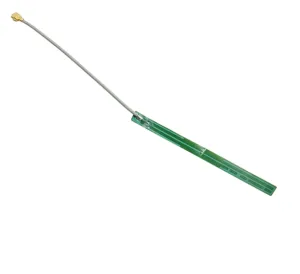
Technical Differences Between GSM and WiFi Antennas
Frequency Range
GSM Frequency Bands (900-1800 MHz)
GSM antennas operate within specific frequency bands, typically ranging from 900 MHz to 1800 MHz. These frequencies are ideal for long-range cellular communication. They allow your device to connect to a cellular network, ensuring reliable voice calls and data transfer. GSM antennas use these bands to maintain strong signals over vast distances, even in areas with limited infrastructure. This makes them essential for cellular mobile communication in both urban and rural environments.
WiFi Frequency Bands (2.4 GHz and 5 GHz)
WiFi antennas, on the other hand, utilize higher frequency bands—2.4 GHz and 5 GHz. These bands are optimized for short-range, high-speed connectivity. The 2.4 GHz band provides better coverage, making it suitable for larger spaces. Meanwhile, the 5 GHz band offers faster speeds but with a shorter range. WiFi technology relies on these frequencies to deliver stable and efficient connections for activities like streaming and gaming. This balance between speed and coverage makes WiFi antennas perfect for localized networks.
Signal Strength and Coverage
Long-Range Communication with GSM
GSM antennas excel in long-range communication. They are designed to provide extensive cellular coverage, ensuring you stay connected even when traveling across regions. These antennas can handle weak signals and maintain a stable connection over long distances. This capability is crucial for mobile networks and IoT applications that require reliable communication across wide areas.
Short-Range Connectivity with WiFi
WiFi antennas focus on short-range connectivity. They create a localized network that supports multiple devices within a limited area, such as a home or office. WiFi coverage is typically confined to a few hundred feet, depending on the environment and obstacles. Despite this limitation, WiFi antennas deliver high-speed connections, making them ideal for tasks that demand fast data transfer.
Antenna Design and Form Factor
GSM Antennas for Outdoor and Mobile Use
GSM antennas are built for outdoor and mobile use. Their robust design allows them to withstand harsh weather conditions, making them suitable for installation on cell towers and vehicles. These antennas are often larger and more durable, ensuring they can handle the demands of cellular networks. Their design prioritizes long-range signal transmission and reliability.
WiFi Antennas for Indoor and Localized Use
WiFi antennas are typically designed for indoor use. They are compact and lightweight, making them easy to integrate into routers and smart devices. These antennas focus on providing strong WiFi signals within a localized area. Their design supports the high-speed data transfer required for modern WiFi technology, ensuring seamless connectivity for your devices.
Applications of GSM and WiFi Antennas
GSM Antenna Applications
Mobile Networks and Cellular Communication
GSM antennas play a vital role in mobile networks. They ensure your device connects to a cellular network for reliable voice calls, text messaging, and data transfer. These antennas provide extensive coverage, making them suitable for both urban and rural areas. Their ability to handle long-range communication makes them essential for cellular mobile communication.
In mobile networks, GSM antennas maintain strong signals even when you move between locations. This ensures uninterrupted connectivity for activities like browsing, streaming, or making calls. With the rise of 5G technology, GSM antennas are evolving to support faster speeds and more devices, enhancing the overall cellular experience.
IoT and Machine-to-Machine (M2M) Connectivity
GSM antennas also support IoT and M2M applications. They enable devices to communicate with each other over a cellular network, facilitating smart city solutions, industrial automation, and vehicle tracking. These antennas provide the reliable coverage needed for IoT devices to function seamlessly across wide areas.
For example, GSM antennas in IoT devices help monitor environmental conditions or manage logistics in real-time. As 5G networks expand, these antennas will play a crucial role in connecting more devices and improving communication efficiency in IoT ecosystems.
WiFi Antenna Applications
Home and Office Wireless Networks
WiFi antennas are indispensable for creating wireless networks in homes and offices. They provide high-speed internet access, allowing you to stream videos, play online games, or work remotely. These antennas focus on short-range connectivity, ensuring strong signals within a localized area.
In a home or office, WiFi antennas connect multiple devices to a single network without compromising speed. They support modern WiFi technology standards like WiFi 6, which enhances speed and reliability. This makes them ideal for environments where fast and stable internet is essential.
Public WiFi Hotspots and Smart Devices
WiFi antennas also power public WiFi hotspots and smart devices. They enable you to access the internet in cafes, airports, or parks, providing convenience and connectivity on the go. These antennas ensure stable connections in crowded areas, supporting multiple users simultaneously.
Smart devices like speakers, thermostats, and security cameras rely on WiFi antennas to connect to a Wi-Fi network. This allows you to control these devices remotely, enhancing your daily life. As WiFi technology integrates with 5G networks, you can expect even better performance and connectivity for public and smart device applications.
Advantages and Limitations of GSM and WiFi Antennas
Advantages of GSM Antennas
Wide Coverage and Reliability
GSM antennas provide extensive coverage, making them ideal for long-range communication. You can rely on these antennas to maintain a stable connection, even in remote areas with limited infrastructure. Their ability to handle weak signals ensures consistent cellular communication across vast distances. This makes GSM antennas essential for cellular mobile communication and applications that require reliable connectivity, such as IoT devices and mobile networks.
Compatibility with Cellular Networks
GSM antennas are designed to work seamlessly with cellular networks. They support various cellular technologies, including 3G, 4G, and 5G. This compatibility ensures that your devices can connect to the network without issues, regardless of the technology in use. As 5G networks expand, GSM antennas continue to evolve, offering faster speeds and improved performance for cellular applications.
Limitations of GSM Antennas
Higher Power Consumption
One drawback of GSM antennas is their higher power consumption. These antennas require more energy to maintain long-range communication and handle multiple devices. This can be a concern for battery-powered devices, such as mobile phones and IoT sensors, which need to conserve energy for extended use.
Limited Bandwidth for Data
GSM antennas are optimized for voice calls and basic data transfer. However, they offer limited bandwidth compared to WiFi antennas. This limitation can affect data-intensive applications, such as video streaming or large file downloads. While 5G technology improves data speeds, GSM antennas still prioritize coverage and reliability over bandwidth.
Advantages of WiFi Antennas
High-Speed Data Transmission
WiFi antennas excel in providing high-speed data transmission. You can use them for activities like streaming, gaming, and video conferencing without experiencing significant delays. WiFi technology, especially with advancements like WiFi 6, ensures fast and reliable connections for multiple devices within a localized area.
Cost-Effective for Local Networks
WiFi antennas are a cost-effective solution for creating local networks. Setting up a Wi-Fi network in your home or office is relatively inexpensive compared to deploying cellular infrastructure. These antennas allow you to connect multiple devices to the same network, making them ideal for environments where high-speed internet is essential.
Limitations of WiFi Antennas
Limited Range
WiFi antennas are designed for short-range connectivity. This limitation makes them unsuitable for large areas or outdoor environments. You may notice that the signal weakens as you move farther from the router. Walls, furniture, and other obstacles can further reduce the coverage. Unlike cellular antennas, which excel in long-range communication, WiFi antennas focus on localized networks. This design prioritizes speed over distance.
The 2.4 GHz band offers better coverage but sacrifices speed. The 5 GHz band provides faster data rates but has an even shorter range. These trade-offs make WiFi technology ideal for homes and offices but less effective for broader applications. If you need extensive coverage, cellular mobile communication remains a better choice.
Susceptibility to Interference
WiFi antennas often face interference from other devices. Microwaves, cordless phones, and even neighboring WiFi networks can disrupt the signal. This interference affects the stability and speed of your connection. In crowded areas, such as apartments or public spaces, overlapping networks can create significant challenges.
Cellular antennas, by contrast, operate on dedicated frequency bands. This reduces interference and ensures reliable communication. WiFi technology, while efficient for localized use, struggles in environments with many competing signals. As 5G networks expand, they may help alleviate some of these issues by integrating with WiFi systems. However, the susceptibility to interference remains a key limitation of WiFi antennas.
Tip: To minimize interference, place your router in a central location and avoid placing it near other electronic devices.
GSM and WiFi antennas serve distinct purposes in modern communication. GSM antennas excel in long-range cellular mobile communication, making them essential for connecting users across vast areas. WiFi antennas, on the other hand, focus on short-range, high-speed connectivity, ideal for localized networks like homes and offices. The difference between WiFi and cellular lies in their range, speed, and applications. When choosing between them, consider your specific needs. For extensive coverage, GSM antennas are the best choice. For fast, localized connections, WiFi technology is more suitable. As 5G networks expand, both technologies will continue to evolve and integrate seamlessly.
FAQ
What is the main difference between GSM and WiFi antennas?
GSM antennas focus on long-range cellular communication, while WiFi antennas provide short-range, high-speed connectivity. GSM antennas connect devices to cellular networks, ensuring reliable coverage. WiFi antennas create localized networks, ideal for homes and offices.
Can GSM antennas work for WiFi networks?
No, GSM antennas cannot work for WiFi networks. GSM antennas operate on cellular frequency bands, while WiFi antennas use 2.4 GHz and 5 GHz bands. Each antenna is designed for its specific technology.
Why do WiFi antennas have a shorter range than GSM antennas?
WiFi antennas prioritize speed over range. They operate on higher frequency bands, which provide faster data rates but limit coverage. GSM antennas use lower frequencies, enabling long-range cellular communication.
Are GSM antennas suitable for indoor use?
GSM antennas are typically designed for outdoor or mobile use. Their robust design supports long-range cellular communication. For indoor connectivity, WiFi antennas are more practical due to their localized coverage.
How do WiFi and cellular antennas handle interference?
WiFi antennas often face interference from nearby devices or networks. Cellular antennas operate on dedicated frequency bands, reducing interference. This makes cellular antennas more reliable for communication in crowded environments.