


The Internet of Things (IoT) has transformed the way we live, work, and interact with the world around us. From smart cities and homes to connected vehicles and industrial equipment, IoT has revolutionized virtually every sector. As the number of IoT devices continues to grow, so does the importance of ensuring reliable and efficient connectivity between these devices. In this context, antennas play a vital role in ensuring that IoT devices communicate seamlessly and perform optimally.
While many off-the-shelf antennas can support basic IoT communication needs, custom antennas tailored to the unique requirements of each IoT application offer significant benefits in terms of performance, energy efficiency, and reliability. In this article, we will explore how custom antennas are helping to enhance IoT connectivity, focusing on key benefits and use cases across various industries.

The Role of Antennas in IoT Connectivity
At the heart of any IoT ecosystem is the communication between devices. Whether it’s a smart thermostat talking to a cloud server, a connected vehicle sending data to a central hub, or a factory sensor transmitting real-time metrics to a control system, reliable wireless communication is critical. This is where antennas come into play.
Antennas are responsible for transmitting and receiving electromagnetic waves that carry the data between IoT devices. The performance of these antennas directly impacts the efficiency and reliability of the communication link, affecting factors like data throughput, range, latency, and energy consumption.
However, different IoT applications have varying requirements in terms of range, power consumption, signal strength, and environmental conditions. For example, a smart home device may need to communicate over short distances within a home, while an industrial IoT (IIoT) sensor might require long-range communication in a factory environment. Custom antennas, specifically designed to meet these unique needs, can significantly improve the performance and longevity of IoT devices.
Benefits of Custom Antennas for IoT Applications
Optimized Range and Coverage
One of the primary concerns in any IoT deployment is ensuring reliable connectivity across different environments. IoT devices often operate in challenging conditions, such as urban areas with dense buildings, underground environments like mines or subways, or rural areas where cellular signals may be weaker. Custom antennas can be designed to optimize coverage in these diverse environments, ensuring that devices can maintain strong communication links regardless of the obstacles in their path.
For instance, custom antennas can be engineered with specific radiation patterns that focus signal strength in certain directions, increasing range and coverage. In urban IoT deployments, for example, an antenna can be tuned to improve performance in areas with high interference, allowing devices to maintain reliable connectivity even in challenging urban environments.
Improved Energy Efficiency
Energy efficiency is one of the most important factors in IoT device design, especially for battery-powered devices. Many IoT devices, such as smart meters, wearables, and sensors, rely on batteries to function, making power consumption a critical consideration.
Custom antennas can be designed to minimize energy loss during data transmission and reception, ensuring that IoT devices consume less power while maintaining strong connectivity. This is especially crucial for devices that operate in remote locations or those that need to function for extended periods without frequent battery replacement or charging.
By improving the antenna’s efficiency, manufacturers can significantly extend the battery life of IoT devices, reducing the need for maintenance and minimizing the environmental impact of frequent battery changes.
Enhanced Signal Quality and Reliability
In many IoT applications, especially in industrial or critical infrastructure contexts, communication reliability is paramount. IoT devices must function with high reliability, even in environments with a high degree of interference or when dealing with large volumes of data.
Custom antennas offer the ability to mitigate interference from other devices operating in the same frequency band. By carefully tuning the antenna to the desired frequency or incorporating features like multi-band support, custom antennas can minimize the effects of signal congestion and interference, ensuring that devices can transmit and receive data without disruptions.
For example, in industrial IoT (IIoT) applications, where devices need to operate in challenging environments with high levels of electromagnetic interference (EMI), custom antennas can be designed with shielding or specific frequency ranges that prevent signal degradation and ensure consistent performance.
Tailored Solutions for Specific IoT Applications
IoT applications span a wide range of industries, including healthcare, agriculture, logistics, transportation, and manufacturing. Each of these sectors has unique requirements when it comes to connectivity, and custom antennas can be designed to meet the specific needs of each application.
- Healthcare IoT: Wearable health devices, such as heart rate monitors or glucose sensors, need to be compact, energy-efficient, and capable of reliably transmitting data over short to medium ranges. Custom antennas designed for medical IoT devices can be optimized for low-power communication, ensuring that the devices are both efficient and capable of delivering real-time data.
- Agriculture IoT: In agricultural IoT, sensors are often deployed in remote and rugged environments where signal strength may be weak. Custom antennas can be designed to boost range and signal quality, ensuring that devices like soil moisture sensors or livestock trackers can maintain a consistent connection to the network, even in the most challenging conditions.
- Smart Cities and Urban IoT: Urban IoT deployments, such as smart parking meters, traffic sensors, or environmental monitoring systems, require antennas that can cope with high levels of interference and maintain long-range communication across crowded urban areas. Custom antennas can be designed to optimize signal strength in these environments, ensuring that IoT devices work reliably in city landscapes.
Small Form Factor and Aesthetic Integration
In many IoT applications, especially consumer-facing products, design aesthetics are just as important as functionality. IoT devices often need to be compact and seamlessly integrated into the environment, whether it’s a smart thermostat on the wall or a wearable fitness tracker.
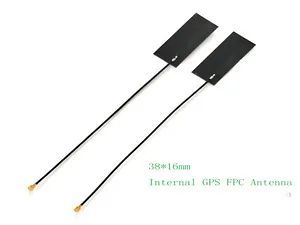
Custom antennas can be designed to fit the specific size and shape requirements of the device, ensuring that they do not compromise the device’s aesthetics or form factor. For example, antennas can be designed as part of the device’s casing or integrated into flexible printed circuit boards (PCBs), allowing manufacturers to create sleek, compact designs without sacrificing performance.
Future-Proofing IoT Devices
As wireless communication standards evolve, IoT devices need to be able to adapt to new technologies, such as 5G, Wi-Fi 6, LoRaWAN, and beyond. Custom antennas can be designed to support a wide range of current and future wireless protocols, ensuring that devices remain compatible with emerging standards and continue to perform well as the IoT ecosystem evolves.
By future-proofing their antennas, manufacturers can help extend the lifespan of their IoT devices, making them more versatile and capable of supporting new use cases and applications as they emerge.
Real-World Applications of Custom Antennas in IoT
Smart Grid and Energy Monitoring
In smart grid systems, custom antennas are used to ensure reliable communication between energy meters, grid management systems, and power plants. By optimizing antenna design, energy companies can monitor consumption patterns in real time, detect outages quickly, and improve the efficiency of the grid.
Industrial IoT (IIoT)
Custom antennas in industrial IoT applications ensure that sensors and machines on factory floors can communicate with control systems without interruptions. These antennas are designed to withstand harsh conditions like extreme temperatures, vibration, and EMI, ensuring that critical data is transmitted reliably and securely.
Vehicle-to-Everything (V2X) Communication
In autonomous vehicles and smart transportation systems, custom antennas enable reliable communication between vehicles, infrastructure, and other devices. These antennas ensure low-latency communication, which is crucial for safety and coordination in real-time transportation environments.
Conclusion
As the Internet of Things continues to expand and evolve, the importance of reliable, efficient, and future-proof connectivity cannot be overstated. Custom antennas are a critical component in achieving this goal, offering significant benefits in terms of range, energy efficiency, signal quality, and device integration. By designing antennas specifically tailored to the needs of each IoT application, manufacturers can ensure that their devices provide optimal performance in diverse environments, whether it’s in a smart home, an industrial facility, or a remote agricultural field.
As IoT technology advances, custom antennas will play an even more crucial role in enabling seamless communication between devices, driving the continued growth and success of the IoT ecosystem. Investing in custom antenna solutions is an investment in the future of IoT, ensuring that devices remain connected, reliable, and efficient for years to come.