


The advent of connected vehicles and the rise of Vehicle-to-Everything (V2X) technology have transformed the automotive industry, enabling real-time communication between vehicles, infrastructure, and other road users. This network of interconnected systems is at the heart of innovations such as autonomous driving, smart traffic management, and advanced driver-assistance systems (ADAS). To ensure that these systems function optimally, reliable, high-performance wireless communication is essential. Here, custom antennas are playing a pivotal role in enhancing the efficiency and performance of vehicle communication systems, making them a crucial component in the future of transportation.
In this article, we will explore the importance of custom antennas in vehicle communication systems, how they improve connectivity, and their role in supporting the emerging trends in automotive technology.
The Importance of Antennas in Vehicle Communication Systems
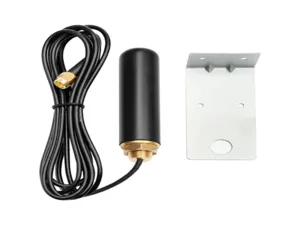
In modern vehicles, wireless communication is used for a range of critical functions. Whether it’s V2X communication for improving road safety, GPS navigation for precise routing, or in-car infotainment systems for delivering high-quality media content, antennas are the key enablers of seamless connectivity.
Vehicle communication systems rely on multiple wireless protocols and frequency bands, such as 4G, 5G, Wi-Fi, Bluetooth, GPS, and DSRC (Dedicated Short-Range Communication), to transmit and receive data. The role of antennas in these systems is to ensure that signals are transmitted efficiently, with minimal interference, and at the required range.
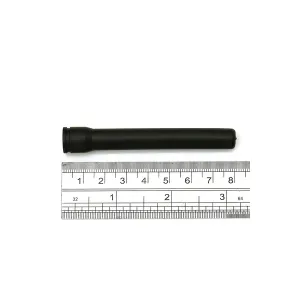
However, given the complexity of vehicle communication systems, there is no one-size-fits-all antenna solution. Different components in a vehicle require antennas that are optimized for specific frequencies, data transmission requirements, and environmental factors. Custom antennas are critical in addressing these challenges, enabling vehicles to maintain consistent and reliable communication in a variety of conditions.
Benefits of Custom Antennas for Vehicle Communication Systems
Optimized Connectivity for V2X Communication
V2X communication is a key aspect of the connected vehicle ecosystem. It enables vehicles to communicate with each other (V2V), with infrastructure (V2I), and with pedestrians and cyclists (V2P). This communication is crucial for enhancing road safety, reducing traffic congestion, and enabling autonomous driving.
For V2X systems to function reliably, antennas must be capable of operating across multiple frequency bands with high efficiency and low latency. Custom antennas can be designed to optimize signal reception and transmission for V2X applications, ensuring that vehicles maintain robust communication links in various environments—ranging from urban streets to highways.
By customizing antennas for V2X communication, manufacturers can ensure that the vehicle’s communication system is capable of providing real-time data, such as traffic conditions, hazards, and road changes, to enhance safety and decision-making for both human drivers and autonomous vehicles.
Improved GPS and Navigation Systems
GPS systems are crucial in vehicle navigation, providing real-time location data that allows vehicles to determine their position, track routes, and provide drivers with turn-by-turn directions. For GPS systems to function effectively, they need a reliable antenna that can receive satellite signals, even in challenging environments like urban canyons, tunnels, or parking garages.
Custom antennas can be designed specifically for GPS applications, optimized to support the required frequency bands (e.g., L1, L2, L5 bands for GPS, GLONASS, Galileo, and BeiDou). These antennas can also be engineered to enhance signal reception in areas with poor visibility of the sky, ensuring that vehicles can always maintain accurate positioning.
In addition, custom GPS antennas can be integrated with other vehicle systems, such as navigation and telematics, ensuring that the vehicle receives accurate location data for navigation, fleet management, and even autonomous driving systems.
Support for Advanced Driver Assistance Systems (ADAS)
ADAS includes a wide range of technologies that improve vehicle safety and driving experience, including lane-keeping assist, adaptive cruise control, collision avoidance, and emergency braking. Many ADAS systems rely on wireless communication for real-time data sharing between the vehicle, sensors, and external systems (e.g., traffic signals or other vehicles).
For ADAS to operate efficiently, antennas need to support high-speed data transmission and low-latency communication. Custom antennas can be designed to optimize the performance of radar, LiDAR, and camera systems used in ADAS, ensuring that these sensors can transmit data without delay. Antennas can also be customized to handle the specific needs of ADAS communication protocols, such as those used for Vehicle-to-Infrastructure (V2I) or Vehicle-to-Vehicle (V2V) communication.
By developing custom antenna solutions for ADAS, manufacturers can improve the performance and reliability of these critical safety systems, reducing the risk of accidents and enhancing overall driving experience.
Integration with In-Car Infotainment and Connectivity Systems
In-car infotainment systems, including media streaming, real-time traffic updates, and hands-free communication, are increasingly becoming a standard feature in modern vehicles. These systems require seamless connectivity to cellular networks, Wi-Fi, Bluetooth, and satellite services.
Custom antennas designed for infotainment and connectivity applications can be optimized for the required frequencies and form factors, ensuring reliable performance for both data-heavy applications like media streaming and low-power communication systems like Bluetooth or NFC. Antennas can be integrated into the vehicle’s body or embedded within various parts of the vehicle, such as the rearview mirror, roof, or bumpers, ensuring that they do not interfere with the vehicle’s design while providing optimal performance.
In addition, custom antennas can be engineered to support emerging technologies such as 5G and Wi-Fi 6, ensuring that vehicles can handle the increasing demands for high-speed data transmission in the future.
Minimizing Interference and Signal Loss
Vehicles are subject to numerous sources of electromagnetic interference, from other vehicles’ wireless systems to on-board electronics and power systems. This interference can degrade the quality of communication, leading to dropped signals, increased latency, and unreliable performance.
Custom antennas can be designed to minimize the impact of interference by employing techniques such as shielding, filtering, and selective frequency tuning. Additionally, antennas can be engineered with specific polarization and radiation patterns to ensure that the signal is transmitted in the most effective direction and received with maximum efficiency.
By reducing the effects of interference and signal loss, custom antennas help ensure that vehicle communication systems maintain high performance and reliability under all conditions.

Real-World Use Cases of Custom Antennas in Vehicle Communication
Autonomous Vehicles
In autonomous vehicles, the communication between sensors, control systems, and external infrastructure (such as traffic signals and road signs) is critical for safe and efficient operation. Custom antennas in autonomous vehicles are designed to support low-latency, high-bandwidth communication for sensor data, while also ensuring that the vehicle can maintain robust communication with the surrounding environment.
For example, custom antennas may be used to support Vehicle-to-Everything (V2X) communication, enabling autonomous vehicles to receive real-time data about road conditions, nearby vehicles, and traffic signals, which is essential for safe decision-making.
Fleet Management and Telematics
Fleet management systems use telematics to monitor vehicle health, track location, and optimize routes for efficiency. Custom antennas in fleet management applications can improve GPS tracking, cellular communication, and Wi-Fi connectivity, ensuring that the fleet is always connected, even in remote areas where signal strength may be weak.
For instance, custom antennas can help ensure reliable communication between the vehicles and the central fleet management system, enabling fleet operators to make real-time decisions about routing, maintenance, and performance optimization.
Electric and Hybrid Vehicles
Electric and hybrid vehicles (EVs and HEVs) often require additional wireless communication systems to monitor battery health, charging stations, and vehicle-to-grid (V2G) technology. Custom antennas in these vehicles are crucial for reliable communication with charging infrastructure, enabling efficient power management and optimization.
Custom antennas also play a role in ensuring that the vehicle’s various wireless systems—such as infotainment, GPS, and V2X communication—work seamlessly without interfering with each other.
Conclusion
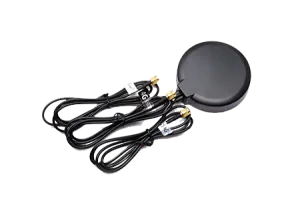
Custom antennas are a vital component of modern vehicle communication systems, enabling efficient and reliable communication across a range of applications, from V2X communication to infotainment and advanced driver-assistance systems (ADAS). By optimizing antenna design for specific communication needs, vehicle manufacturers can enhance connectivity, improve safety, and support the emerging trends in automotive technology, including autonomous driving and connected transportation.
As the automotive industry continues to evolve, custom antenna solutions will play an increasingly important role in ensuring that vehicles remain connected, safe, and efficient. Whether for enhancing road safety, optimizing in-car connectivity, or supporting future automotive innovations, custom antennas are the key to driving the next generation of vehicle communication systems.