


The Internet of Vehicles (IoV) is an exciting and rapidly growing segment of the broader Internet of Things (IoT) ecosystem, connecting vehicles to each other, the cloud, and various external devices. As the automotive industry continues to evolve, the demand for more reliable, faster, and smarter communication solutions has never been higher. From autonomous driving systems to vehicle-to-everything (V2X) communication, the role of antennas in ensuring seamless data transfer cannot be overstated.
In this context, custom antennas are playing a crucial role in addressing the unique communication challenges of the IoV. By providing optimal frequency, range, and durability, custom antennas enable vehicles to stay connected with minimal latency, ensuring safety, efficiency, and a superior user experience.
This article explores how custom antennas are revolutionizing the Internet of Vehicles, focusing on their application in key areas like vehicle-to-vehicle (V2V) communication, vehicle-to-infrastructure (V2I) networks, autonomous driving, and in-car connectivity.
The Growing Importance of IoV and the Role of Communication
At the heart of the IoV is communication. Vehicles must continuously exchange data with each other, traffic management systems, roadside infrastructure, and centralized control centers. This communication enables a variety of critical functions, such as real-time traffic updates, collision avoidance, remote diagnostics, and navigation assistance.
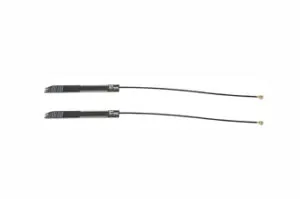
The key to the effectiveness of these functions lies in the antennas that facilitate wireless communication. Custom antennas are essential for ensuring high-speed, reliable, and low-latency data transfer in these dynamic environments. They enable vehicles to maintain connectivity even at high speeds and in complex environments, including urban landscapes, tunnels, and rural roads.
Key Applications of Custom Antennas in IoV
The custom design of antennas for the IoV is driven by the need to meet specific operational requirements. Here are some of the primary applications of custom antennas in IoV:
Vehicle-to-Vehicle (V2V) Communication
Vehicle-to-vehicle communication allows vehicles to share critical information with each other, such as speed, location, and direction. This enables advanced safety features like collision avoidance, emergency braking, and lane-keeping assistance.
- Antennas for V2V Communication: To support V2V communication, antennas need to be able to operate on specific frequencies, such as 5.9 GHz (Dedicated Short-Range Communications or DSRC), which is widely used for V2V communication. Custom antennas are designed to optimize performance on these frequencies, ensuring that data is transmitted accurately and quickly.
- Challenges of V2V Communication: V2V communication operates in highly dynamic environments, with vehicles moving at high speeds and constantly changing relative positions. Custom antennas are designed to minimize interference and ensure reliable communication even in challenging conditions, such as traffic congestion or high-speed highways.
Vehicle-to-Infrastructure (V2I) Communication
Vehicle-to-infrastructure communication involves vehicles exchanging data with roadside infrastructure, such as traffic lights, toll booths, and parking systems. This communication enables features like smart traffic management, intelligent parking systems, and real-time routing.
- Designing Antennas for V2I: For V2I systems to function efficiently, antennas must provide high-performance connectivity over both short and long distances, depending on the application. Custom antennas can be designed for sub-6 GHz frequencies for short-range communications or cellular networks (like NB-IoT or 5G) for long-range communication with infrastructure.
- Ensuring Low Latency: One of the key requirements for V2I communication is low latency, especially for critical applications like traffic signal synchronization or autonomous vehicle control. Custom antennas designed for low-latency communication ensure that data is transmitted in real time, which is vital for the safety and efficiency of the overall system.
Autonomous Driving
Autonomous vehicles rely on a wide range of sensors and communication systems to make decisions in real time. These vehicles are equipped with sensors like LiDAR, radar, cameras, and ultrasonic sensors that gather data about their environment. However, the ability to communicate effectively with other vehicles, infrastructure, and cloud systems is equally important for their functionality.
- Antennas for Autonomous Vehicles: Custom antennas are designed to support the high data transfer rates required by autonomous vehicles. These vehicles typically require antennas that can operate across multiple frequency bands, including 5G, 4G, Wi-Fi, and V2X communication bands. This allows autonomous vehicles to seamlessly exchange data with other connected devices, enabling functions like adaptive cruise control, lane departure warning, and automatic parking.
- Reliability and Durability: Autonomous vehicles often operate in diverse environments and under a wide range of weather conditions. Custom antennas designed for durability can withstand the challenges of rain, snow, dust, and vibration. For example, antennas made from fiberglass or weather-resistant materials ensure that they continue to function optimally in harsh conditions.
In-Car Connectivity and Infotainment Systems
As consumer demand for in-car connectivity grows, antennas are being used to support high-speed data transmission for a variety of infotainment and telematics applications. These systems require reliable connectivity for services such as live navigation updates, streaming media, and real-time vehicle diagnostics.
- Custom Antennas for In-Car Wi-Fi and Bluetooth: In-car connectivity often relies on Wi-Fi and Bluetooth technologies to provide passengers with internet access and allow devices to communicate with the vehicle. Custom antennas designed to support these technologies can ensure strong signals even within the vehicle’s metal enclosure, which can block or reflect signals.
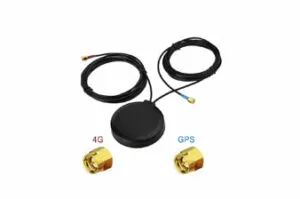
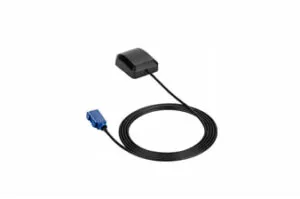
- Optimizing Multi-Band Connectivity: Modern vehicles require multiple antennas to operate on various bands simultaneously. For example, an antenna may need to support Wi-Fi, Bluetooth, GPS, and 5G all within the same vehicle. Custom antennas can be designed to support multi-band operation, allowing the vehicle to maintain multiple connections without interference.
The Future of Custom Antennas in the IoV
As the IoV continues to evolve, so too will the role of custom antennas. The rise of 5G networks promises to further enhance the capabilities of connected vehicles, offering faster speeds, lower latency, and more reliable connections. This will allow for even more advanced features in autonomous driving, V2X communication, and real-time data exchange.
Custom antenna designs will need to adapt to these new technologies, optimizing for ultra-wideband communication and enabling multi-frequency, multi-connection support. Additionally, with the increase in connected devices and the shift toward edge computing, antennas will need to provide higher throughput, more precise localization, and increased power efficiency.
Conclusion
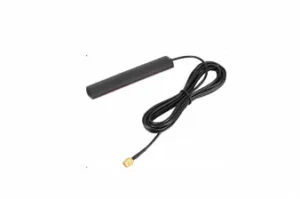
Custom antennas are an integral part of the Internet of Vehicles ecosystem, facilitating everything from real-time communication between vehicles and infrastructure to supporting autonomous driving capabilities and in-car connectivity. With the demand for smarter, safer, and more efficient vehicles increasing, the need for tailored antenna solutions will only grow.
As IoV technologies continue to evolve, the role of antennas will expand, driving innovation and ensuring that vehicles can stay connected and communicate seamlessly in the ever-changing landscape of the connected world. Custom antennas are helping make the vision of fully autonomous and connected transportation a reality, contributing to the future of mobility and intelligent transportation systems.