


The Internet of Things (IoT) has revolutionized the way we connect devices, from smart homes and industrial automation to healthcare, agriculture, and automotive systems. At the heart of every successful IoT system is reliable communication, and antennas play a critical role in ensuring seamless connectivity. The choice of antenna can significantly impact the performance, range, and power consumption of an IoT device.
In this article, we explore the importance of antenna selection for IoT connectivity, the factors that influence the choice of antenna, and how to choose the right one for different IoT applications.
The Role of Antennas in IoT Connectivity
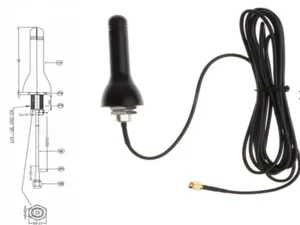
An antenna is the critical component that enables an IoT device to communicate wirelessly. It is responsible for transmitting and receiving electromagnetic waves, allowing devices to connect to networks like Wi-Fi, Bluetooth, Zigbee, LoRaWAN, 5G, and other wireless communication protocols. The performance of the antenna directly influences the quality of data transmission, signal strength, and overall connectivity.
In an IoT environment, where devices are often distributed over vast areas or placed in challenging environments (e.g., industrial plants, remote locations, or even in vehicles), the right antenna can make the difference between successful communication and system failure.
Key Factors to Consider When Choosing an Antenna for IoT
The process of selecting an antenna for an IoT application requires careful consideration of several key factors. Understanding these factors will help you choose an antenna that aligns with your performance needs, regulatory requirements, and environmental constraints.
Frequency Band
The frequency band is one of the most important considerations when selecting an antenna for IoT applications. Different IoT networks operate at different frequencies, and it is essential to select an antenna that is optimized for the specific frequency band used by your communication technology.
- Wi-Fi (2.4 GHz / 5 GHz): Commonly used in home automation, smart home devices, and industrial IoT applications.
- Bluetooth (2.4 GHz): Often used for short-range communications in personal area networks (PANs).
- Zigbee (2.4 GHz): A low-power, low-data-rate protocol used in smart home devices, sensors, and lighting systems.
- LoRaWAN (Sub-1 GHz): Ideal for long-range IoT applications such as smart agriculture, remote monitoring, and environmental sensing.
- NB-IoT (Cellular 700 MHz – 2.1 GHz): A cellular-based technology for low-power, wide-area IoT applications.
- 5G (Various Bands): Used for high-speed, low-latency applications such as autonomous vehicles, smart cities, and advanced industrial systems.
Choosing the correct frequency band ensures that the antenna will provide optimal performance for your IoT devices and communication network.
Antenna Gain and Directionality
Antenna gain refers to the ability of an antenna to focus energy in a particular direction. Higher gain antennas focus energy in a smaller area, providing a more powerful signal over longer distances. However, they are typically more directional and may have a narrower coverage area.
- Omni-Directional Antennas: These antennas radiate equally in all directions, making them ideal for applications where coverage in all directions is needed, such as in smart homes and wearable devices.
- Directional Antennas: These focus energy in one direction, increasing signal strength in that direction. Directional antennas are useful for long-range communication in outdoor IoT applications, such as LoRaWAN networks and vehicle-to-vehicle (V2V) communication.
The choice between omni-directional and directional antennas depends on the coverage requirements and the physical environment in which the IoT device operates.
Size and Form Factor
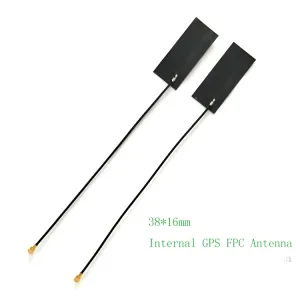
The size and form factor of the antenna are particularly important in IoT applications, where devices are often small, compact, or portable. For example, wearables, healthcare devices, and smart home appliances require small, lightweight antennas that can be easily integrated into the device without compromising performance.
- Flexible Antennas: For wearables or mobile devices, flexible antennas can be integrated into the device casing without adding bulk.
- Compact Antennas: For devices with limited space, compact and miniaturized antennas, such as PCB antennas or chip antennas, can be a good solution.
For industrial or outdoor applications, larger antennas may be necessary to ensure long-range performance, but compact designs can help save space and reduce costs.
Power Consumption
IoT devices are often designed to be low-power to maximize battery life, especially in remote applications where devices may be battery-operated for years without human intervention. Antennas with higher efficiency can contribute to lower power consumption by ensuring better signal transmission with less energy.
Low-power IoT applications, such as LoRaWAN or NB-IoT, require antennas that are optimized for energy-efficient communication. An antenna that consumes less power but still offers high performance can help extend the operational lifetime of the IoT device.
Environmental Considerations
IoT devices are deployed in a wide range of environments, from indoor settings like offices and homes to outdoor and harsh environments like factories, agricultural fields, and construction sites. The antenna must be able to withstand environmental factors such as temperature variations, humidity, dust, and corrosion.
- Waterproof and Weatherproof Antennas: For outdoor IoT applications, such as smart metering or vehicle tracking, antennas that are weather-resistant or IP-rated are essential.
- Corrosion-Resistant Materials: Antennas for use in marine or industrial environments should be made from corrosion-resistant materials like fiberglass or stainless steel.
Choosing an antenna designed for the specific environmental conditions helps ensure reliable and long-lasting connectivity.
Regulatory Compliance
IoT devices and antennas must comply with local regulations and certifications, which vary depending on the region and frequency band used. Common certifications include:
- FCC (Federal Communications Commission): For devices sold in the U.S., ensuring compliance with electromagnetic radiation standards.
- CE Marking: For devices sold in the European Union, ensuring compliance with safety and environmental standards.
- RoHS Compliance: Ensuring that the antenna does not contain hazardous materials.
Ensuring that the antenna meets these regulatory standards is critical to the successful deployment and commercialization of IoT devices.
Antenna Selection for Specific IoT Applications
The IoT landscape is diverse, and different applications have unique connectivity requirements. Here’s a look at how antenna selection varies for some key IoT use cases:
Smart Homes and Buildings
For smart homes, Wi-Fi, Bluetooth, and Zigbee are the most commonly used communication technologies. The antenna must support these frequencies and provide reliable coverage in a variety of indoor environments.
- Omni-directional antennas are typically used for Wi-Fi and Zigbee devices to ensure broad, consistent coverage.
- Bluetooth applications benefit from compact PCB antennas that can be integrated into small devices like smart speakers, wearables, and sensors.
Industrial IoT (IIoT)
Industrial IoT applications, such as predictive maintenance, asset tracking, and industrial automation, often require long-range and rugged antennas that can withstand harsh environments.
- LoRaWAN or NB-IoT antennas are commonly used in IIoT, providing low-power, wide-area communication over long distances.
- Directional antennas may be used to extend range and improve signal strength in large industrial facilities.
Agriculture and Environmental Monitoring
In agriculture, IoT devices are used for crop monitoring, soil sensors, and smart irrigation systems. These devices are often deployed in remote locations, requiring long-range and low-power antennas.
- LoRaWAN antennas are ideal for these applications, providing long-range connectivity with minimal power consumption.
- Weatherproof and corrosion-resistant antennas are essential for devices that will be exposed to outdoor conditions for extended periods.
Automotive and Vehicle Connectivity
In the automotive sector, IoT is used for vehicle-to-vehicle (V2V) communication, navigation systems, tire pressure monitoring, and fleet management. The antenna selection here depends on the communication protocol and environmental factors like motion, vibration, and weather exposure.
- 5G, LTE, and GNSS (GPS) antennas are used for high-speed data communication and vehicle navigation systems.
- Compact, high-gain antennas that can be easily integrated into vehicles are essential for these applications.
Conclusion
Selecting the right antenna for IoT connectivity is crucial for ensuring reliable performance, long-range communication, and low power consumption. Factors like frequency band, antenna gain, environmental considerations, and regulatory compliance must be carefully evaluated to meet the specific needs of the application.
Whether you are designing smart home devices, industrial IoT systems, or automotive applications, understanding the importance of antenna selection and working with a trusted antenna manufacturer will ensure that your IoT solutions deliver the connectivity and performance your business and customers rely on.
By choosing the right antenna, you can optimize your IoT devices for performance, energy efficiency, and durability, ultimately contributing to the success of your IoT projects.